

-
-
-
ServiceAlways committed to providing global customers with a complete set of intelligent processing solutions, service enterprises to achieve high-end manufacturing, intelligent, digital transformation.
-
-










News Center
Promote the sustainable development of enterprises by technological innovation and expanding industry applications
Unleashing the Power of Precision: Exploring the Versatility of Gantry Press Machines
Release time:
2026-05-25
Author:
Source:
Unleashing the Power of Precision: Exploring the Versatility of Gantry Press Machines Table of Contents Introduction to Gantry Press Machines What is a Gantry Press Machine? Key Features of Gantry Press Machines Applications of Gantry Press Machines in Various Industries Advantages of Using Gantry Press Machines How to Choose the Right Gantry Press Machine Maintenance
Unleashing the Power of Precision: Exploring the Versatility of Gantry Press Machines
Table of Contents
- Introduction to Gantry Press Machines
- What is a Gantry Press Machine?
- Key Features of Gantry Press Machines
- Applications of Gantry Press Machines in Various Industries
- Advantages of Using Gantry Press Machines
- How to Choose the Right Gantry Press Machine
- Maintenance and Care for Gantry Press Machines
- Real-World Case Studies of Gantry Press Machines
- Future Trends in Gantry Press Technology
- Frequently Asked Questions
- Conclusion
Introduction to Gantry Press Machines
In today's fast-paced manufacturing environment, precision and versatility are paramount. Gantry press machines stand out as vital equipment designed to meet these demands. These machines are integral to various manufacturing processes, providing exceptional performance in metalworking and other applications. This article delves into the world of gantry press machines, exploring their features, applications, advantages, and future trends.
What is a Gantry Press Machine?
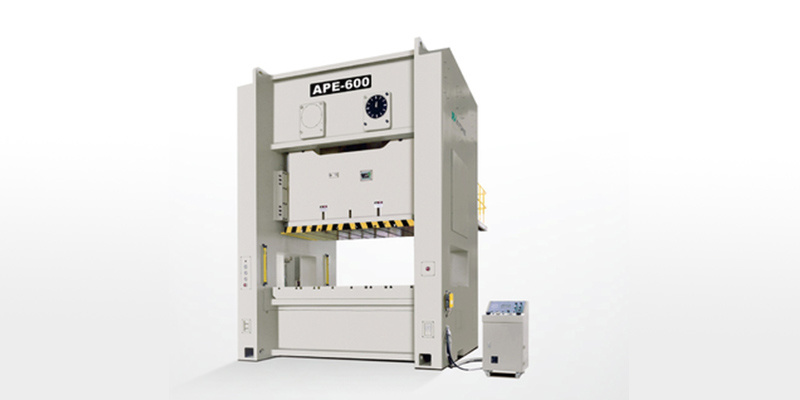
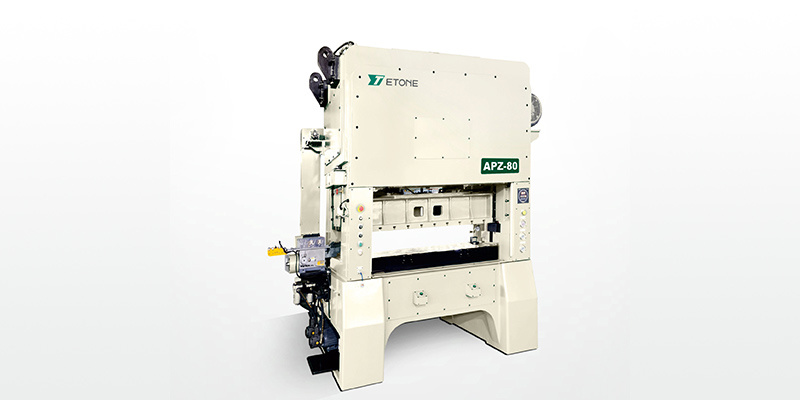
A gantry press machine is a type of mechanical press characterized by its overhead structure that supports the pressing mechanism. Typically, these machines are designed with a robust frame that allows for the placement of heavy materials beneath the pressing area. This unique design offers several key benefits:
Design and Structure
Gantry presses are constructed with a rigid frame, often made from high-strength steel, ensuring stability and durability. The design allows for a significant working area, accommodating larger materials than traditional presses.
Mechanism of Operation
These machines operate through a hydraulic or mechanical system that applies pressure to the workpiece. The pressing action can be adjusted based on the material type and desired outcome, making gantry presses highly adaptable.
Key Features of Gantry Press Machines
Understanding the features of gantry press machines is crucial for optimizing their utilization in manufacturing processes. Here are some key attributes that define these machines:
High Precision Engineering
Gantry presses are engineered for precision, allowing manufacturers to achieve tight tolerances in their products. This level of accuracy is essential when working with metal components that require intricate details.
Versatility in Applications
These machines can handle various materials, including metals, plastics, and composites. The ability to work with different materials makes gantry presses suitable for multiple industries, from automotive to aerospace.
Customizable Pressing Force
Gantry presses can be customized to exert different levels of force, accommodating various manufacturing needs. This flexibility allows manufacturers to optimize their processes for specific applications.
Large Working Area
The design of gantry presses provides substantial workspace, enabling operators to work with larger components without restrictions. This feature enhances productivity and efficiency during manufacturing.
Applications of Gantry Press Machines in Various Industries
Gantry press machines find extensive applications across numerous sectors. Here are some of the industries that benefit from their versatility:
Automotive Industry
In the automotive sector, gantry presses are used for stamping and forming metal parts, such as body panels and structural components. Their precision ensures that parts meet stringent quality standards.
Aerospace Manufacturing
Gantry presses play a crucial role in aerospace manufacturing, where lightweight yet durable components are essential. These machines help produce parts with meticulous specifications, contributing to overall safety and performance.
Construction Equipment
In the construction equipment industry, gantry presses are employed to manufacture heavy machinery parts. Their ability to handle large materials makes them ideal for producing robust components.
Electronics and Appliance Manufacturing
Gantry presses are also utilized in the electronics sector for assembling intricate components. The precision offered by these machines is vital for ensuring functionality and reliability.
Advantages of Using Gantry Press Machines
The use of gantry press machines provides numerous advantages that contribute to their popularity in manufacturing. Here are some of the key benefits:
Enhanced Productivity
Gantry presses can operate continuously with minimal downtime, significantly increasing productivity levels. Their efficiency in handling large batches of materials translates to faster production cycles.
Cost-Effectiveness
By investing in a gantry press, manufacturers can reduce labor costs and material waste. The precision of these machines minimizes errors, leading to lower rework and scrap rates.
Improved Safety Features
Modern gantry presses are equipped with advanced safety features to protect operators. These machines often include emergency stop buttons, protective barriers, and safety interlocks, ensuring a safe working environment.
Adaptability to Automation
Gantry presses can be easily integrated into automated production lines, enhancing overall efficiency. This adaptability makes them an excellent choice for manufacturers looking to modernize their operations.
How to Choose the Right Gantry Press Machine
Selecting the appropriate gantry press machine is crucial for maximizing productivity and efficiency. Here are some key factors to consider:
Material Compatibility
Evaluate the types of materials you will be working with to ensure the gantry press can handle them effectively. Different materials have varying requirements for pressure and processing techniques.
Pressing Force Requirements
Determine the amount of force needed for your specific applications. Gantry presses are available in various configurations, so selecting one that meets your pressing force needs is essential.
Size and Footprint
Consider the available space in your facility when selecting a gantry press. Some models require more room than others, so it’s essential to choose one that fits your operational layout.
Budget Considerations
Establish a budget for your gantry press investment. While higher-quality machines may cost more upfront, they often provide better long-term value through increased efficiency and reduced maintenance.
Maintenance and Care for Gantry Press Machines
To ensure the longevity and optimal performance of gantry press machines, regular maintenance is essential. Here are some maintenance tips:
Routine Inspections
Conduct regular inspections to identify any signs of wear or damage. Checking components like bearings, hydraulic systems, and electrical systems can prevent costly breakdowns.
Lubrication
Proper lubrication of moving parts is vital for reducing friction and wear. Follow the manufacturer's recommendations for lubrication intervals and types of lubricants.
Calibration
Regularly calibrate the gantry press to maintain precision and accuracy in operations. This process ensures that the machine consistently meets production standards.
Operator Training
Ensure that operators are well-trained in using and maintaining the gantry press. Proper training can minimize the risk of errors and enhance overall safety in the workplace.
Real-World Case Studies of Gantry Press Machines
Examining real-world applications of gantry press machines can provide valuable insights into their effectiveness. Here are a few case studies:
Case Study 1: Automotive Component Manufacturing
A leading automotive manufacturer implemented a gantry press to streamline the production of metal body panels. The result was a 30% increase in production efficiency and a significant reduction in material waste.
Case Study 2: Aerospace Part Fabrication
An aerospace company adopted a gantry press for the fabrication of lightweight components. By utilizing the machine's precision capabilities, the company enhanced product quality and reduced production time by 25%.
Case Study 3: Electronics Assembly
An electronics manufacturer integrated a gantry press into their production line for assembling circuit boards. The improved precision led to a 40% decrease in rework and enhanced overall product reliability.
Future Trends in Gantry Press Technology
The future of gantry press machines is promising, with several trends shaping their evolution:
Increased Automation
As manufacturing continues to embrace automation, gantry presses are expected to become more automated. This trend will further enhance productivity and reduce the need for manual intervention.
Smart Technology Integration
The integration of smart technology and IoT capabilities into gantry presses will allow for real-time monitoring and data analysis. This advancement will enable manufacturers to optimize operations and enhance decision-making.
Sustainability Initiatives
With growing environmental concerns, the future of gantry presses will likely involve sustainability initiatives. Manufacturers may focus on energy-efficient designs and eco-friendly materials to reduce their carbon footprint.
Frequently Asked Questions
1. What types of materials can be processed with a gantry press machine?
Gantry press machines can process various materials, including metals, plastics, and composites, making them versatile for numerous applications.
2. How do I determine the right size of a gantry press for my facility?
Consider the available space and the size of the components you plan to work with. This will help you choose a gantry press that fits your operational layout.
3. What maintenance is required for gantry press machines?
Routine inspections, lubrication, calibration, and operator training are essential for maintaining gantry press machines and ensuring their optimal performance.
4. Can gantry presses be automated?
Yes, gantry presses can be integrated into automated production lines, enhancing productivity and reducing the need for manual intervention.
5. What industries commonly use gantry press machines?
Gantry press machines are widely used in the automotive, aerospace, construction, and electronics industries due to their precision and versatility.
Conclusion
Gantry press machines are indispensable tools in modern manufacturing, offering exceptional precision and versatility across diverse industries. By understanding their features, applications, advantages, and maintenance needs, manufacturers can harness the full potential of these machines to enhance productivity and quality. As technology continues to advance, the future of gantry press machines looks bright, with innovations promising to further revolutionize manufacturing processes for years to come.
Latest developments
Service Hotline:
Zhejiang ETONE Precision Machine Co., Ltd.
Address: No.327 South of Tinghai Road, Yinzhou EconomicDevelopment Zone, Yinzhou Distrist, Ningbo, China
Telephone: +86-574-89016676,+86-574-86198845
Fax: +86-574-86198900
E-mail:sales@china-etone.com


WeChat Public Number