

-
-
-
ServiceAlways committed to providing global customers with a complete set of intelligent processing solutions, service enterprises to achieve high-end manufacturing, intelligent, digital transformation.
-
-










News Center
Promote the sustainable development of enterprises by technological innovation and expanding industry applications
Exploring the Versatility of Single-Crank Precision Press Machines: A Comprehensive Guide
Release time:
2026-10-12
Author:
Source:
Exploring the Versatility of Single-Crank Precision Press Machines Table of Contents 1. Introduction to Single-Crank Precision Press Machines 2. Understanding the Mechanism of Single-Crank Precision Press Machines 2.1. Key Components of Single-Crank Precision Press Machines 2.2. Working Principle of Single-Crank Precision Press Machines 3. App
Exploring the Versatility of Single-Crank Precision Press Machines
Table of Contents
- 1. Introduction to Single-Crank Precision Press Machines
- 2. Understanding the Mechanism of Single-Crank Precision Press Machines
- 2.1. Key Components of Single-Crank Precision Press Machines
- 2.2. Working Principle of Single-Crank Precision Press Machines
- 3. Applications of Single-Crank Precision Press Machines
- 3.1. Industries Utilizing Single-Crank Precision Press Machines
- 3.2. Products Manufactured with Single-Crank Precision Press Machines
- 4. Benefits of Using Single-Crank Precision Press Machines
- 5. Maintenance Tips for Longevity
- 6. The Future of Single-Crank Precision Press Machines
- 7. Frequently Asked Questions
- 8. Conclusion
1. Introduction to Single-Crank Precision Press Machines
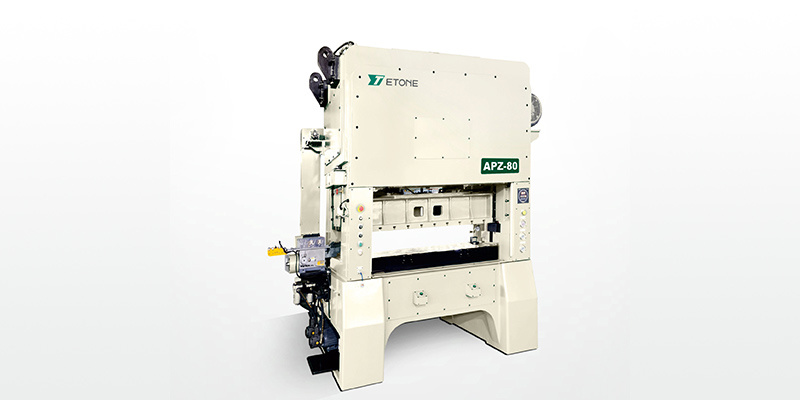
In the realm of metal processing machinery, **single-crank precision press machines** occupy a pivotal role. They are robust pieces of equipment primarily used for forming and shaping metal components with utmost precision. The growing demand for high-quality manufacturing has made these machines indispensable in various industries. As we explore the versatility of these machines, we will uncover their unique characteristics, applications, and advantages.
2. Understanding the Mechanism of Single-Crank Precision Press Machines
To appreciate the efficiency and precision offered by single-crank press machines, it's vital to understand their underlying mechanism.
2.1. Key Components of Single-Crank Precision Press Machines
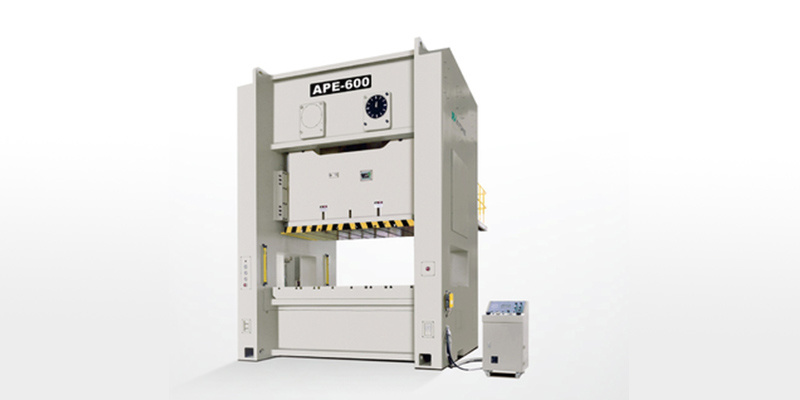
Single-crank precision press machines comprise several crucial components:
- **Crank**: The main component that converts rotary motion into linear motion.
- **Ram**: The part that holds and drives the tool for pressing operations.
- **Frame**: Provides structural support to the machine.
- **Bed**: The surface where the metal workpiece is placed.
- **Drive Mechanism**: Typically an electric motor, which powers the crank.
2.2. Working Principle of Single-Crank Precision Press Machines
The working principle of a single-crank precision press machine involves the conversion of rotary motion into linear motion via the crank mechanism. As the crank rotates, it moves the ram up and down, applying consistent pressure to the workpiece. This process ensures precision and uniformity in the metal forming tasks.
3. Applications of Single-Crank Precision Press Machines
Single-crank precision press machines exhibit versatility across various applications, making them essential in the manufacturing sector.
3.1. Industries Utilizing Single-Crank Precision Press Machines
Numerous industries benefit from the capabilities of single-crank precision press machines:
- **Automotive Industry**: Used for producing components such as brackets, frames, and body panels.
- **Electronics**: Essential for manufacturing parts like connectors and enclosures.
- **Aerospace**: Critical for producing lightweight yet strong components.
- **Construction**: Useful in making hardware and fixtures.
3.2. Products Manufactured with Single-Crank Precision Press Machines
These machines can manufacture an extensive range of products, such as:
- **Metal Stamping Parts**: Used in automotive and machinery applications.
- **Brackets and Supports**: Vital for structural integrity in various builds.
- **Housing Parts**: Commonly found in electronic devices.
4. Benefits of Using Single-Crank Precision Press Machines
The advantages of incorporating single-crank precision press machines into a manufacturing setup are manifold.
- **High Precision**: They provide exceptional accuracy in metal shaping, essential for meeting tight tolerances.
- **Efficiency**: Capable of performing multiple operations in a single cycle, reducing overall production time.
- **Cost-Effective**: Lower operational costs due to reduced waste and energy consumption.
- **Versatility**: Can handle various materials and sizes, making them adaptable to different manufacturing needs.
5. Maintenance Tips for Longevity
Proper maintenance is crucial for ensuring the longevity and optimal performance of single-crank precision press machines. Here are some essential tips:
1. **Regular Lubrication**: Ensures smooth operation of moving parts and reduces wear and tear.
2. **Routine Inspections**: Check for any signs of wear, misalignment, or damage regularly.
3. **Cleaning**: Keep the machine clean from dust and debris to prevent any operational issues.
4. **Calibration**: Regularly calibrate the machine to ensure it operates within its specified tolerances.
6. The Future of Single-Crank Precision Press Machines
As technological advancements continue to unfold, the future of **single-crank precision press machines** looks promising. Innovations such as automation, IoT integration, and advanced materials will enhance their capabilities and efficiency. Manufacturers can expect improved precision, reduced downtime, and increased productivity in the coming years.
7. Frequently Asked Questions
1. What is a single-crank precision press machine?
A single-crank precision press machine is a type of mechanical press that utilizes a single crank mechanism to convert rotary motion into linear motion for metal forming operations.
2. What industries primarily use single-crank precision press machines?
Industries such as automotive, electronics, aerospace, and construction extensively use single-crank precision press machines for various metal forming applications.
3. How does a single-crank precision press machine ensure precision?
The design and mechanism of the single-crank precision press machine facilitate consistent pressure application and accurate positioning of the ram, ensuring precision in metal shaping.
4. What are the common products made using single-crank precision press machines?
Common products include metal stamping parts, brackets, housing parts, and various components for automotive and electronic industries.
5. What maintenance practices should be followed for these machines?
Regular lubrication, inspections, cleaning, and calibration are essential maintenance practices to ensure the longevity and optimal performance of single-crank precision press machines.
8. Conclusion
In conclusion, the versatility and precision of single-crank precision press machines make them invaluable assets in the manufacturing sector. Their ability to produce high-quality metal components efficiently positions them as a critical tool for industries ranging from automotive to aerospace. By understanding their mechanism, applications, and benefits, manufacturers can leverage these machines to enhance their production capabilities and meet the evolving demands of the market. Investing in proper maintenance and staying abreast of future advancements will ensure that businesses can make the most of their single-crank precision press machines for years to come.
Latest developments
Service Hotline:
Zhejiang ETONE Precision Machine Co., Ltd.
Address: No.327 South of Tinghai Road, Yinzhou EconomicDevelopment Zone, Yinzhou Distrist, Ningbo, China
Telephone: +86-574-89016676,+86-574-86198845
Fax: +86-574-86198900
E-mail:sales@china-etone.com


WeChat Public Number