

-
-
-
ServiceAlways committed to providing global customers with a complete set of intelligent processing solutions, service enterprises to achieve high-end manufacturing, intelligent, digital transformation.
-
-


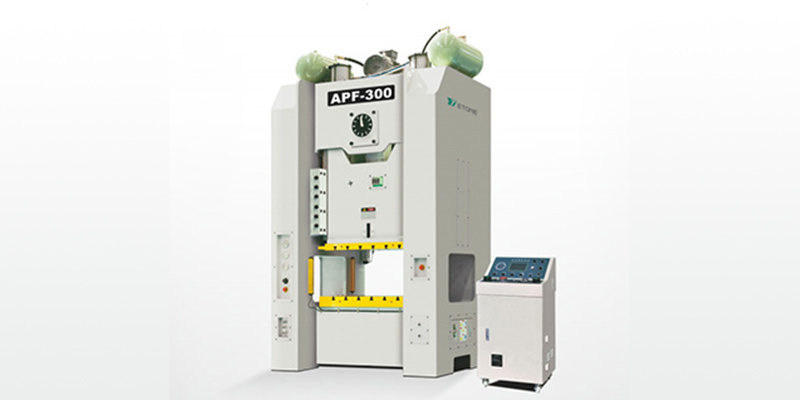
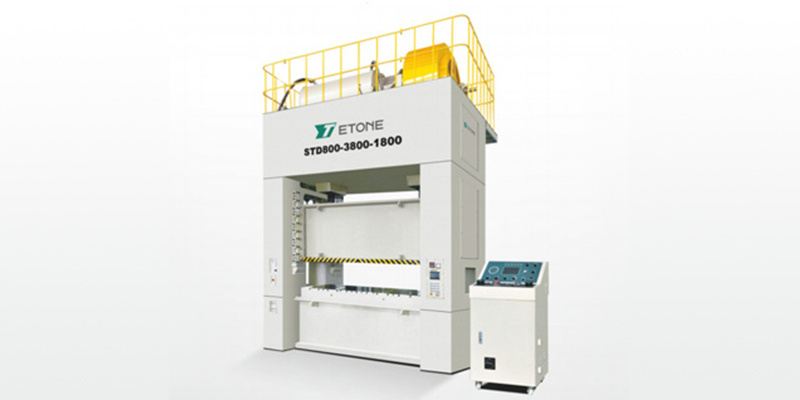
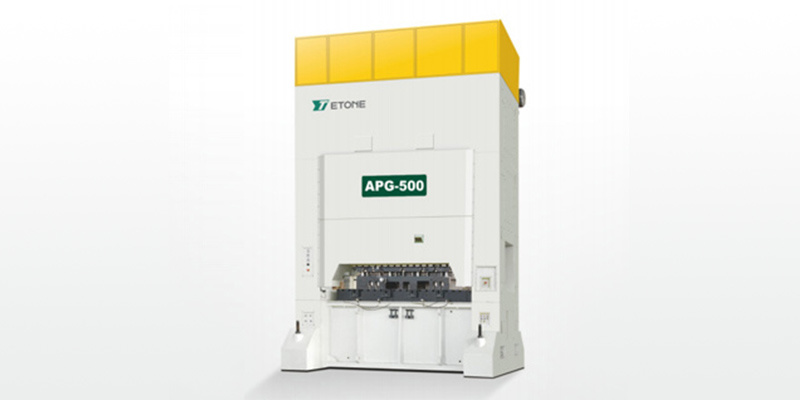
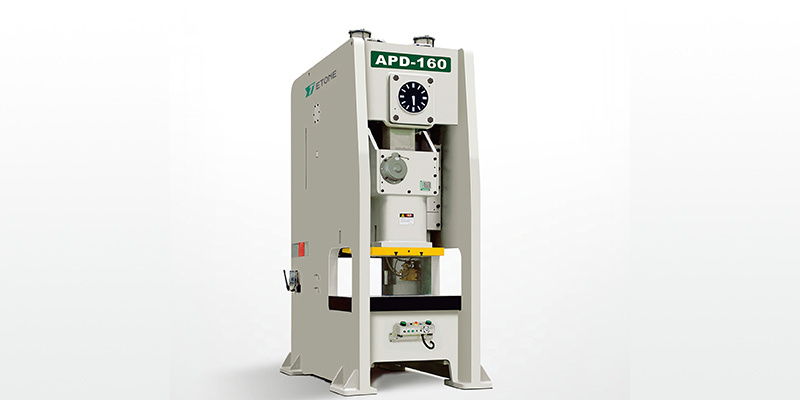








News Center
Promote the sustainable development of enterprises by technological innovation and expanding industry applications
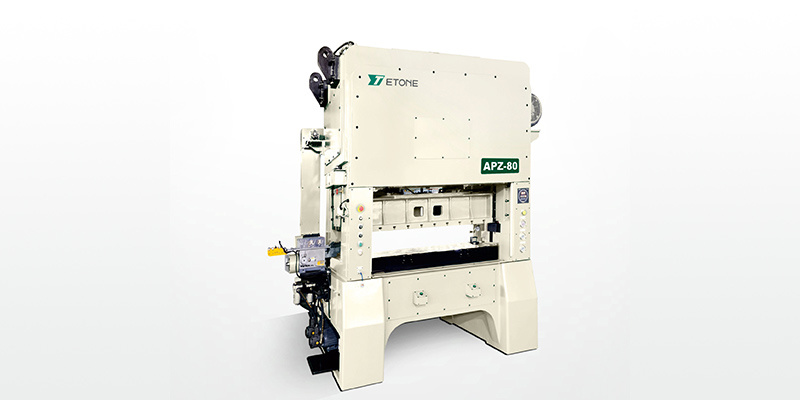
Revolutionizing Metal Fabrication with Advanced Large Stamping Machines
Release time:
2026-07-13
Author:
Source:
Revolutionizing Metal Fabrication with Advanced Large Stamping Machines In the realm of metal fabrication, innovation is paramount. The introduction of advanced large stamping machines marks a significant turning point in the manufacturing landscape. These machines are not just tools; they are revolutionary devices that enhance productivity, efficiency, and precision. In this comprehensive article
Revolutionizing Metal Fabrication with Advanced Large Stamping Machines
In the realm of metal fabrication, innovation is paramount. The introduction of advanced large stamping machines marks a significant turning point in the manufacturing landscape. These machines are not just tools; they are revolutionary devices that enhance productivity, efficiency, and precision. In this comprehensive article, we will explore the various facets of large stamping machines, their technological advancements, and their impact on the metal fabrication industry.
Table of Contents
- 1. Introduction to Metal Fabrication and Stamping
- 2. What Are Large Stamping Machines?
- 3. Technological Advancements in Stamping Machines
- 4. Benefits of Using Large Stamping Machines
- 5. Applications of Large Stamping Machines in Metal Fabrication
- 6. Choosing the Right Stamping Machine for Your Needs
- 7. The Future of Large Stamping Machines in Manufacturing
- 8. Frequently Asked Questions
- 9. Conclusion
1. Introduction to Metal Fabrication and Stamping
Metal fabrication is a critical process in many industries, including automotive, aerospace, and construction. It involves the creation of metal structures by cutting, bending, and assembling raw materials. One of the most efficient methods in this process is stamping, which utilizes a die to cut or shape metal sheets into desired forms. As industries evolve, traditional methods of stamping are being replaced by advanced large stamping machines that offer enhanced capabilities.
2. What Are Large Stamping Machines?
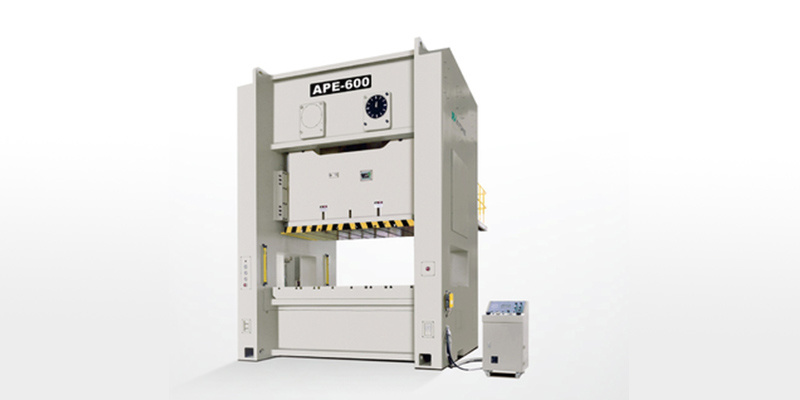
Large stamping machines are specialized equipment designed for high-volume production of metal parts. These machines are equipped with advanced features that allow for precision and speed in the stamping process. Typically, they can handle larger sheets of metal and are ideal for manufacturing complex shapes and components. They operate through various mechanisms, such as hydraulic, pneumatic, or mechanical drive systems, enabling them to exert significant force to stamp metal effectively.
Key Features of Large Stamping Machines
- High Production Efficiency: Capable of producing thousands of parts per hour, significantly reducing production time.
- Precision Engineering: Ensures tight tolerances and high-quality finishes, essential for automotive and aerospace applications.
- Versatile Applications: Suitable for a wide range of metals and complex shapes, accommodating diverse manufacturing needs.
- Advanced Control Systems: Equipped with computerized controls for improved accuracy and reduced human error.
3. Technological Advancements in Stamping Machines
The evolution of large stamping machines has been driven by significant technological advancements. Modern machines incorporate features that enhance their functionality and performance.
Automation and Robotics
Many large stamping machines now come with integrated automation and robotics, streamlining the production process. Automated feeding systems and robotic arms increase production speed and reduce labor costs. This automation allows for more consistent quality and minimizes the risk of injuries associated with manual labor.
Smart Technology Integration
Incorporating smart technology, such as IoT (Internet of Things), allows for real-time monitoring and data collection. Manufacturers can track machine performance, predict maintenance needs, and optimize production schedules. This level of monitoring not only enhances efficiency but also significantly reduces downtime and maintenance costs.
4. Benefits of Using Large Stamping Machines
The adoption of advanced large stamping machines offers numerous advantages to manufacturers.
Cost Efficiency
By increasing production rates and reducing labor costs through automation, large stamping machines help in lowering overall manufacturing expenses. The efficiency gained from these machines often translates to significant savings over time.
Improved Quality and Consistency
With precision engineering and advanced control systems, large stamping machines ensure high-quality outputs. This consistency is crucial for industries that require exact specifications, such as aerospace and automotive sectors, where even minor deviations can lead to catastrophic failures.
Flexibility in Manufacturing
These machines are designed to handle various materials and complex designs. This versatility allows manufacturers to adapt to changing market demands without significant retooling or investment.
5. Applications of Large Stamping Machines in Metal Fabrication
Large stamping machines have a wide array of applications across different industries.
Automotive Industry
In the automotive sector, large stamping machines are used to produce body panels, brackets, and various components that require high precision and durability. The ability to produce lightweight components without compromising strength is particularly beneficial in this industry.
Aerospace Manufacturing
The aerospace industry relies on large stamping machines to create parts that meet stringent safety and performance standards. Components such as fuselage sections and engine casings are often produced using advanced stamping techniques.
Construction and Heavy Machinery
In construction, these machines are used to manufacture structural components, reinforcing bars, and other essential parts. The durability and strength of stamped metal parts are essential for the safety and longevity of construction projects.
6. Choosing the Right Stamping Machine for Your Needs
Selecting the right large stamping machine involves several considerations. Understanding production requirements, material types, and specific applications is critical in this decision-making process.
Assessing Production Needs
Manufacturers should evaluate their production volume and the complexity of the parts to be produced. High-volume operations may benefit from fully automated systems, while smaller manufacturers might find semi-automated options more suitable.
Material Compatibility
Different stamping machines are designed for specific types of materials, including aluminum, steel, or composites. It’s essential to choose a machine that can handle the intended materials effectively.
Future Scalability
Investing in a stamping machine that can adapt to future needs is important. As production demands grow or change, having a versatile machine can save costs and improve efficiency.
7. The Future of Large Stamping Machines in Manufacturing
The future of large stamping machines looks promising, with ongoing advancements in technology and manufacturing processes. Companies are increasingly focusing on sustainability and efficiency, leading to the development of energy-efficient machines that minimize waste while maximizing output.
Increased Customization
As consumer preferences shift towards customization, large stamping machines are expected to evolve to accommodate smaller batch sizes and unique designs. This adaptability will be crucial for manufacturers aiming to meet diverse customer demands.
Sustainability in Manufacturing
Future advancements will likely emphasize sustainable practices, including the use of recycled materials and energy-efficient operations. Manufacturers will need to adopt eco-friendly solutions to align with global sustainability goals.
8. Frequently Asked Questions
What materials can large stamping machines process?
Large stamping machines can process a variety of materials, including metals like aluminum, steel, and other alloys. Some machines may also handle composite materials.
How does automation improve stamping processes?
Automation streamlines the production process by reducing manual labor, increasing speed, and enhancing precision, leading to higher productivity and reduced operational costs.
What are the typical maintenance requirements for stamping machines?
Regular maintenance includes lubrication, checking for wear and tear, and ensuring all components are functioning correctly. Following the manufacturer's guidelines is essential for optimal performance.
Can large stamping machines be customized for specific applications?
Yes, many manufacturers offer customizable solutions for large stamping machines, allowing them to be tailored to specific production needs and materials.
What is the average lifespan of a large stamping machine?
The lifespan of a large stamping machine can vary based on usage, maintenance, and technology, but with proper care, they can last 15-20 years or more.
9. Conclusion
In summary, advanced large stamping machines are revolutionizing the metal fabrication industry by enhancing productivity, precision, and flexibility. As technology continues to evolve, these machines will play a pivotal role in shaping the future of manufacturing. Businesses that invest in these innovative solutions will not only improve their operational efficiency but also stay competitive in an ever-changing market. The transition to advanced large stamping machines is not just a trend; it is a necessity for those looking to thrive in today's manufacturing environment.
Latest developments
Service Hotline:
Zhejiang ETONE Precision Machine Co., Ltd.
Address: No.327 South of Tinghai Road, Yinzhou EconomicDevelopment Zone, Yinzhou Distrist, Ningbo, China
Telephone: +86-574-89016676,+86-574-86198845
Fax: +86-574-86198900
E-mail:sales@china-etone.com


WeChat Public Number