

-
-
-
ServiceAlways committed to providing global customers with a complete set of intelligent processing solutions, service enterprises to achieve high-end manufacturing, intelligent, digital transformation.
-
-


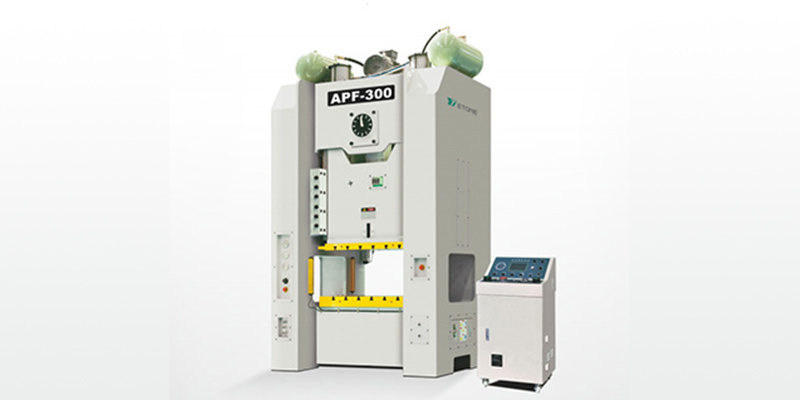
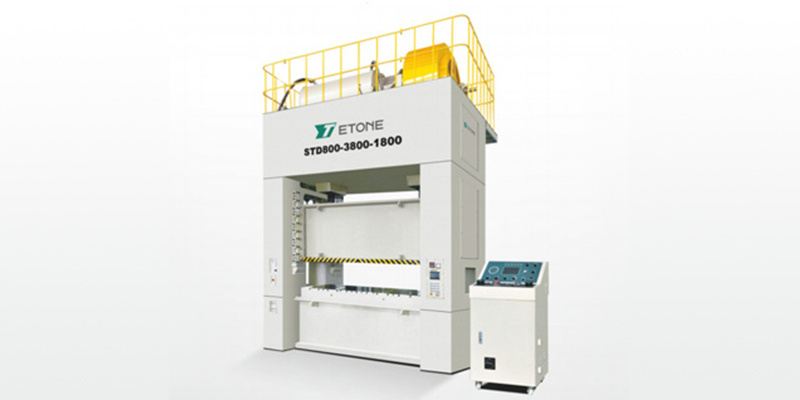
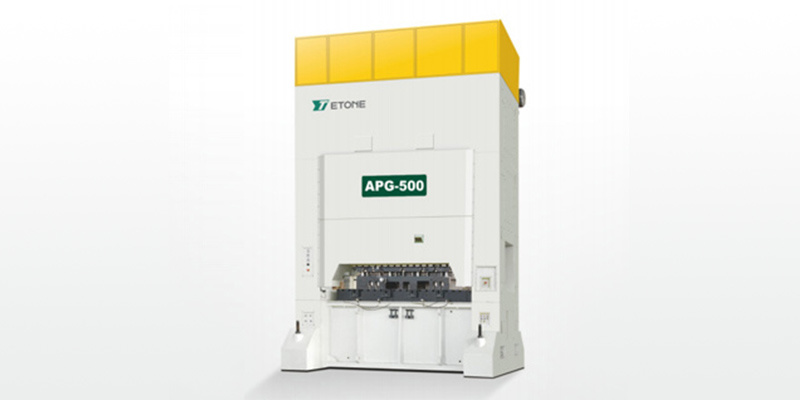
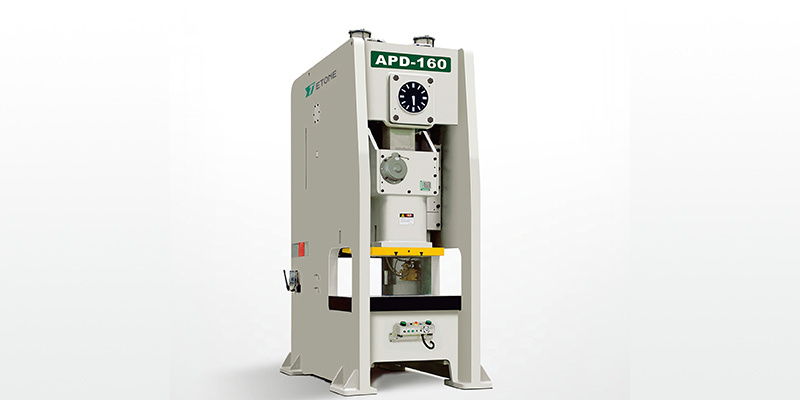
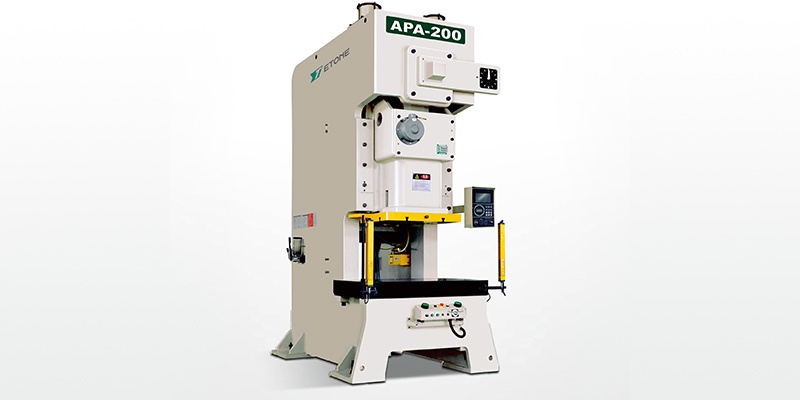
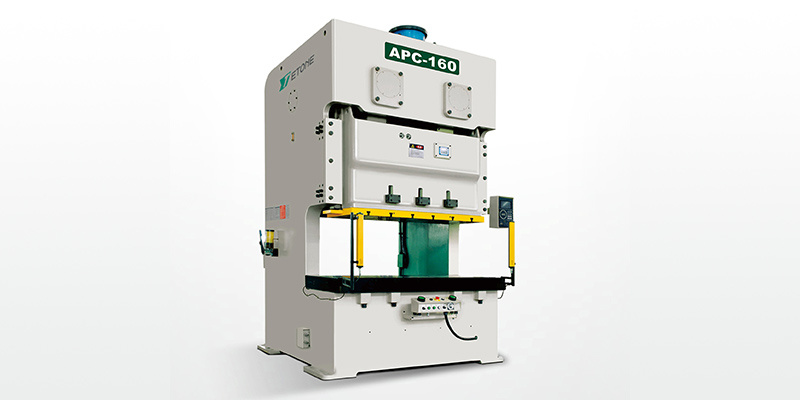
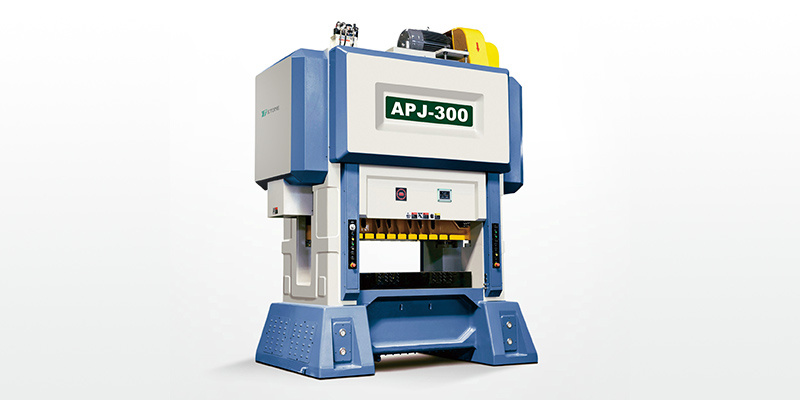
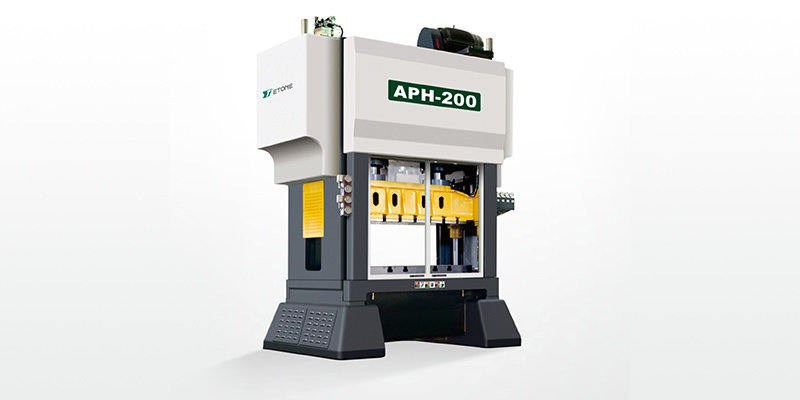








News Center
Promote the sustainable development of enterprises by technological innovation and expanding industry applications
Unleashing the Power of Steel Precision Press: A Comprehensive Guide
Release time:
2026-03-30
Author:
Source:
Unleashing the Power of Steel Precision Press: A Comprehensive Guide Table of Contents 1. Introduction to Steel Precision Presses 2. What is a Steel Precision Press? 3. Working Principle of Steel Precision Presses 4. Types of Steel Precision Presses 4.1 Mechanical Presses 4.2 Hydraulic Presses 4.3 Servo Presses 5. Benefits
Unleashing the Power of Steel Precision Press: A Comprehensive Guide
Table of Contents
- 1. Introduction to Steel Precision Presses
- 2. What is a Steel Precision Press?
- 3. Working Principle of Steel Precision Presses
- 4. Types of Steel Precision Presses
- 5. Benefits of Using Steel Precision Presses
- 6. Applications of Steel Precision Presses
- 7. Maintenance and Safety Practices
- 8. The Future of Steel Precision Press Technology
- 9. Frequently Asked Questions
- 10. Conclusion
1. Introduction to Steel Precision Presses
Steel precision presses have revolutionized the manufacturing landscape, providing unparalleled accuracy and efficiency in metalworking. As industries demand higher precision and lower tolerances, understanding the mechanics, types, and applications of steel precision presses has become essential. In this guide, we will explore everything from the working principles to the maintenance practices that keep these machines running smoothly.
2. What is a Steel Precision Press?
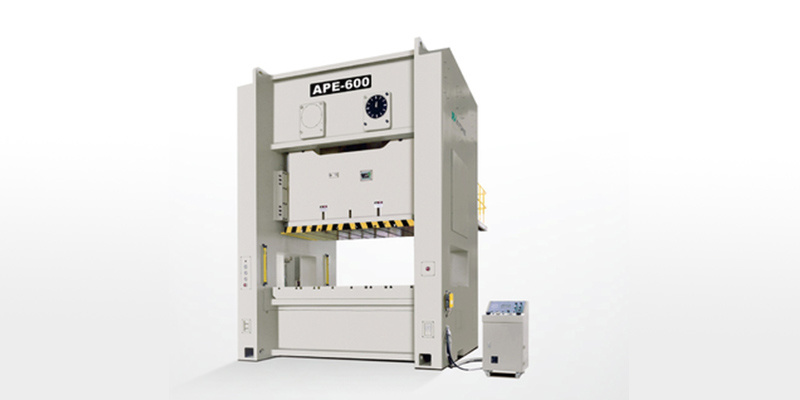
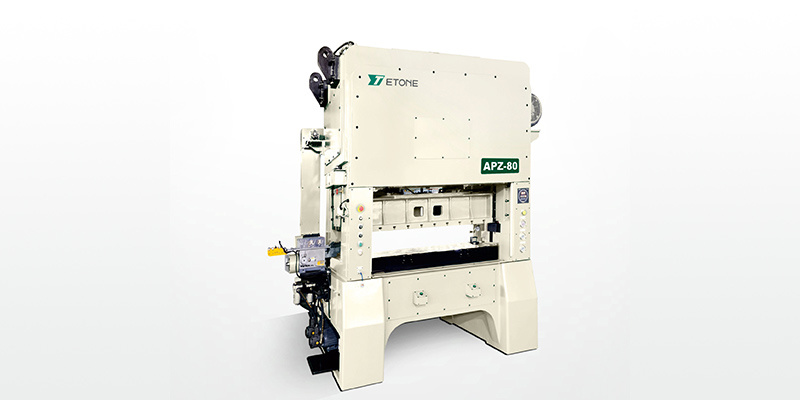
A steel precision press is a type of machine tool used primarily in the manufacturing sector to shape and mold various materials, particularly metals. These presses exert a controlled force through a ram to compress, cut, or shape materials into desired forms. The precision aspect refers to their ability to deliver consistent results with minimal deviation, making them ideal for high-volume production environments.
3. Working Principle of Steel Precision Presses
The operation of a steel precision press is based on the principles of mechanics. The primary components involved include the ram, bed, and stroke mechanism. Here's how it works:
1. **Stroke Mechanism**: The stroke is initiated when the operator activates the machine. This can be done manually or automatically.
2. **Force Application**: The ram descends, applying significant pressure on the material placed on the bed. This pressure can reach several hundred tons, depending on the press type.
3. **Material Deformation**: As the ram continues its descent, the material undergoes deformation, resulting in the desired shape or cut.
4. **Return Stroke**: After completing the operation, the ram returns to its original position, ready for the next cycle.
This cyclical process allows for rapid production, making steel precision presses indispensable in various manufacturing processes.
4. Types of Steel Precision Presses
Understanding the different types of steel precision presses is crucial for selecting the right machine for your specific needs. Below are the primary types:
4.1 Mechanical Presses
Mechanical presses utilize a flywheel and a crank mechanism to generate power. They are renowned for their speed and are often used for high-volume production runs. Their rapid cycle times make them suitable for tasks such as stamping and forming.
4.2 Hydraulic Presses
Hydraulic presses employ hydraulic fluid to transmit pressure, offering greater control over force application. These presses are perfect for applications requiring high force at low speeds, such as forging and deep drawing. The flexibility of hydraulic systems allows for adjustments to suit varying materials and designs.
4.3 Servo Presses
Servo presses use servomotors to control the ram's movement, providing exceptional precision and efficiency. They are particularly advantageous in applications where the speed and force need to be tailored to the specific requirements of the job. This adaptability enhances production speed and reduces energy consumption.
5. Benefits of Using Steel Precision Presses
Investing in steel precision presses offers numerous advantages that elevate manufacturing capabilities:
1. **High Precision and Accuracy**: These presses are engineered for precision, ensuring that each produced part meets stringent quality standards.
2. **Enhanced Productivity**: The rapid cycle times associated with mechanical presses significantly boost throughput, leading to increased productivity.
3. **Versatility**: With various types available, precision presses can handle a wide range of materials and applications, from simple stamping to complex forming operations.
4. **Cost-Effectiveness**: By automating processes and reducing material waste, steel precision presses can lower overall production costs.
5. **Ease of Use**: Once integrated into a production line, these machines can be operated with minimal training, making them accessible to a broader workforce.
6. Applications of Steel Precision Presses
Steel precision presses are utilized across multiple industries, each requiring specific applications that leverage their unique capabilities:
1. **Automotive Industry**: In automotive manufacturing, precision presses are widely used for stamping body panels, forming brackets, and creating intricate components.
2. **Aerospace Industry**: These presses play a critical role in producing lightweight yet durable parts, essential for maintaining efficiency and safety in aircraft design.
3. **Electronics Manufacturing**: From creating metal casings to producing connectors, steel precision presses help in crafting components for electronic devices with high precision.
4. **Construction and Heavy Machinery**: Steel precision presses are integral in forming parts for heavy machinery, ensuring structural integrity and durability.
5. **Medical Devices**: In the production of medical instruments and devices, precision presses ensure compliance with stringent health regulations and quality standards.
7. Maintenance and Safety Practices
To optimize the performance and lifespan of steel precision presses, regular maintenance and adherence to safety protocols are essential:
1. **Routine Inspections**: Daily checks of hydraulic systems, lubrication levels, and component wear can prevent operational issues.
2. **Proper Lubrication**: Ensuring that all moving parts are adequately lubricated reduces friction and wear, enhancing machine longevity.
3. **Calibration and Testing**: Periodically calibrating the machine ensures that it operates within specified tolerances, maintaining precise output.
4. **Safety Gear Usage**: Operators should always wear appropriate safety gear, including gloves, goggles, and protective footwear, to minimize risks.
5. **Emergency Protocols**: Establishing clear emergency procedures and training staff on these protocols can prevent accidents and ensure swift responses to any issues.
8. The Future of Steel Precision Press Technology
As technology continues to advance, the future of steel precision presses is promising. Innovations such as automation, AI integration, and advanced material usage are expected to drive the next generation of precision presses. With these advancements, manufacturers will achieve even greater levels of efficiency, versatility, and sustainability.
Furthermore, sustainability concerns are prompting the development of eco-friendly manufacturing practices, including energy-efficient machinery and recycled materials. These trends indicate that the steel precision press market will evolve, focusing on minimizing environmental impact while maximizing production efficiency.
9. Frequently Asked Questions
1. What is the average lifespan of a steel precision press?
The lifespan of a steel precision press can vary significantly based on usage, maintenance, and operating conditions. Generally, with proper care, they can last anywhere from 10 to 25 years.
2. How do I choose the right precision press for my needs?
Selecting the right precision press depends on several factors, including the type of material you will work with, the desired production rate, and the complexity of the part being manufactured.
3. Are hydraulic presses more efficient than mechanical presses?
Hydraulic presses offer greater versatility and control, especially for complex tasks that require varying levels of force. However, mechanical presses are typically faster, making them more efficient for high-volume, simple operations.
4. What kind of training do operators need for steel precision presses?
Operators should undergo training that covers machine operation, safety protocols, maintenance routines, and troubleshooting procedures to ensure safe and efficient use of the machine.
5. Can steel precision presses be automated?
Yes, many modern steel precision presses can be integrated with automation systems, enhancing productivity by allowing for continuous operation without the need for constant manual oversight.
10. Conclusion
Steel precision presses serve as the backbone of modern manufacturing, providing the accuracy and efficiency necessary for high-quality production. Understanding their types, benefits, applications, and maintenance practices can significantly impact operational success. As technology continues to evolve, embracing these advancements will ensure that manufacturers remain competitive in an ever-changing industry landscape. By harnessing the power of steel precision presses, businesses can unlock new levels of productivity and innovation, paving the way for future growth and success.
Latest developments
Service Hotline:
Zhejiang ETONE Precision Machine Co., Ltd.
Address: No.327 South of Tinghai Road, Yinzhou EconomicDevelopment Zone, Yinzhou Distrist, Ningbo, China
Telephone: +86-574-89016676,+86-574-86198845
Fax: +86-574-86198900
E-mail:sales@china-etone.com


WeChat Public Number