

-
-
-
ServiceAlways committed to providing global customers with a complete set of intelligent processing solutions, service enterprises to achieve high-end manufacturing, intelligent, digital transformation.
-
-










News Center
Promote the sustainable development of enterprises by technological innovation and expanding industry applications
Unveiling the Secrets of High Precision Steel Frame Presses: The Ultimate Guide for Manufacturing Excellence
Release time:
2026-02-02
Author:
Source:
Unveiling the Secrets of High Precision Steel Frame Presses Table of Contents Introduction to High Precision Steel Frame Presses What Are Steel Frame Presses? Importance of High Precision in Manufacturing Design and Technology Behind Steel Frame Presses Applications of Steel Frame Presses in Metal Processing Choosing the Right High Precision Steel Frame Press Maintenan
Unveiling the Secrets of High Precision Steel Frame Presses
Table of Contents
- Introduction to High Precision Steel Frame Presses
- What Are Steel Frame Presses?
- Importance of High Precision in Manufacturing
- Design and Technology Behind Steel Frame Presses
- Applications of Steel Frame Presses in Metal Processing
- Choosing the Right High Precision Steel Frame Press
- Maintenance and Troubleshooting for Optimal Performance
- The Future of Steel Frame Press Technology
- Conclusion
- FAQs about High Precision Steel Frame Presses
Introduction to High Precision Steel Frame Presses
In the realm of metal processing, **high precision steel frame presses** play a pivotal role in ensuring that manufacturing processes are executed with the utmost accuracy and efficiency. These machines are engineered to handle a variety of tasks, from shaping and forming metals to assembling complex structures. As the demand for precision and quality in manufacturing escalates, it becomes increasingly vital to understand the intricacies of these powerful machines.
What Are Steel Frame Presses?
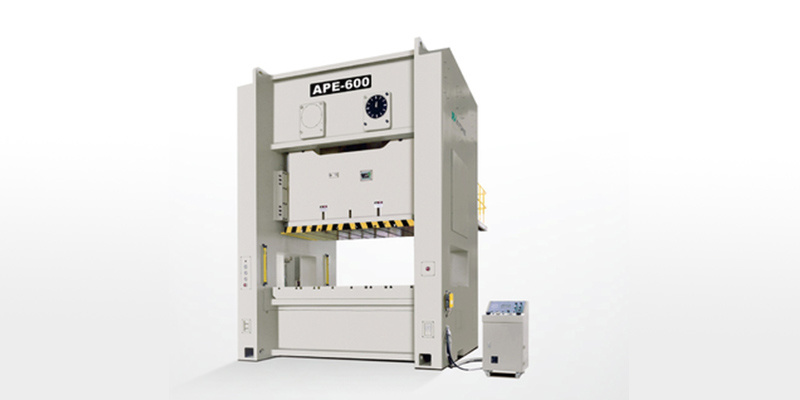
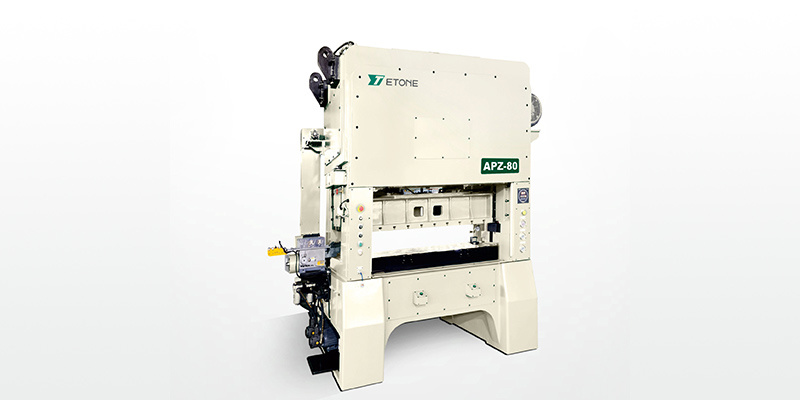
Steel frame presses are robust machines used in various manufacturing applications. They primarily serve to shape and assemble materials through the application of force. Characterized by their sturdy steel construction, these presses are designed to withstand enormous pressures while maintaining accuracy.
Key features of steel frame presses include:
- **High rigidity**: The steel frame provides stability, minimizing deflection during operation.
- **Versatile capabilities**: Suitable for bending, punching, and forming various metals.
- **Advanced control systems**: Modern presses incorporate digital controls for precision in settings and operations.
Importance of High Precision in Manufacturing
In an increasingly competitive market, the need for **high precision** cannot be overstated. Here’s why precision is paramount:
1. **Quality Assurance**: Precision ensures that products meet stringent quality standards, reducing the rate of defects.
2. **Cost Efficiency**: High precision minimizes waste and rework, leading to significant cost savings.
3. **Customer Satisfaction**: Delivering high-quality products fosters customer loyalty and enhances brand reputation.
4. **Enhanced Performance**: Precision components often result in better performance and longer life for end products.
Design and Technology Behind Steel Frame Presses
The design of high precision steel frame presses is a blend of engineering expertise and advanced technology.
Structural Integrity and Rigidity
The steel frame’s design focuses on maximizing rigidity. This is achieved through:
- **Finite Element Analysis (FEA)**: Engineers use FEA simulations to predict the behavior of press designs under various loads, ensuring optimal performance.
- **Reinforced Structures**: Strategic reinforcement in critical areas to prevent deflection and maintain precision during high-pressure operations.
Control Systems and Automation
Modern steel frame presses are equipped with sophisticated control systems that enhance their operational capabilities:
- **Programmable Logic Controllers (PLCs)**: These allow for precise control over the machine’s movements, ensuring consistency.
- **CNC Integration**: Computer Numerical Control (CNC) technology enables complex machining tasks with high levels of accuracy.
Applications of Steel Frame Presses in Metal Processing
High precision steel frame presses are utilized across various sectors within metal processing. Here are some of their key applications:
Automotive Manufacturing
In the automotive industry, these presses are essential for producing body panels, frames, and other structural components. Their high precision ensures that parts fit together seamlessly, which is crucial for safety and performance.
Aerospace Engineering
Aerospace components require the highest levels of precision due to safety regulations. Steel frame presses are employed to create lightweight yet strong parts, such as fuselage sections and wing structures.
Electronics Manufacturing
In electronics, precision is vital for components like casings and circuit boards. Steel frame presses can create intricate designs that meet the exact specifications essential for electronic assemblies.
Construction Industry
Steel frame presses are also used to manufacture metal components for buildings, such as beams and columns. The accuracy of these presses contributes to the structural integrity of construction projects.
Choosing the Right High Precision Steel Frame Press
Selecting the appropriate steel frame press involves several considerations:
Assessing Your Needs
Understanding your manufacturing requirements is the first step. Questions to consider include:
- What materials will you be processing?
- What is the range of thicknesses and shapes required?
- What production volumes do you anticipate?
Evaluating Machine Specifications
When evaluating different models, pay attention to:
- **Press Capacity**: Ensure the machine can handle the required tonnage.
- **Stroke Length**: This affects the depth and complexity of the operations you wish to perform.
- **Speed and Efficiency**: Look for models that balance speed with precision.
Budget Considerations
Investing in a high precision steel frame press is significant. Consider both the initial investment and ongoing operational costs. Often, higher upfront costs can lead to better long-term savings through decreased maintenance and higher efficiency.
Maintenance and Troubleshooting for Optimal Performance
To ensure longevity and optimal performance of high precision steel frame presses, regular maintenance is essential.
Preventive Maintenance Practices
Implementing preventive measures can avert costly repairs:
- **Regular Inspections**: Schedule routine checks of critical components such as hydraulics and electrical systems.
- **Lubrication**: Keep moving parts adequately lubricated to prevent wear and tear.
- **Calibration**: Regularly calibrate the machine to maintain precision.
Troubleshooting Common Issues
Despite best practices, issues may arise. Common problems include:
- **Loss of Precision**: This can often be attributed to worn components; recalibrating or replacing parts may be necessary.
- **Hydraulic Failures**: Check for leaks or system failures and address them promptly to avoid extensive damage.
The Future of Steel Frame Press Technology
The future of high precision steel frame presses is promising, driven by advancements in technology and manufacturing practices.
Integration of Smart Technology
As Industry 4.0 takes hold, we can expect to see:
- **IoT Connectivity**: Smart sensors and data analytics will help monitor machine performance in real-time, leading to predictive maintenance.
- **Enhanced Automation**: Increased automation will streamline processes, reducing human error and improving efficiency.
Sustainability Initiatives
With a growing emphasis on sustainability, manufacturers are looking for presses that contribute to eco-friendly practices. Future models may focus on energy efficiency and reduced waste production.
Conclusion
High precision steel frame presses are indispensable in modern manufacturing, offering the accuracy and efficiency needed to meet the demands of various industries. Understanding the intricacies of their design, functionality, and maintenance is crucial for manufacturers aiming to enhance productivity and quality. By investing in the right technology and adhering to best practices, businesses can achieve manufacturing excellence and remain competitive in today’s market.
FAQs about High Precision Steel Frame Presses
1. What makes steel frame presses different from other press types?
Steel frame presses are specifically designed for high rigidity and precision, which differentiates them from other presses that may not offer the same level of accuracy.
2. How often should I service my steel frame press?
Regular maintenance checks should be conducted monthly, with more in-depth servicing at least once a year to ensure optimal performance.
3. Can steel frame presses handle different materials?
Yes, high precision steel frame presses are versatile and can process various metals, including aluminum, steel, and copper.
4. What is the average lifespan of a high precision steel frame press?
With proper maintenance, a high precision steel frame press can last for over 20 years, making it a worthwhile investment.
5. Are there any safety concerns when operating steel frame presses?
Yes, operators should adhere to safety protocols, including wearing protective gear and ensuring that safety guards are in place to prevent accidents.
In conclusion, high precision steel frame presses are a cornerstone of modern metal processing. By understanding their capabilities and implementing best practices, manufacturers can harness their full potential for superior production outcomes.
Latest developments
Service Hotline:
Zhejiang ETONE Precision Machine Co., Ltd.
Address: No.327 South of Tinghai Road, Yinzhou EconomicDevelopment Zone, Yinzhou Distrist, Ningbo, China
Telephone: +86-574-89016676,+86-574-86198845
Fax: +86-574-86198900
E-mail:sales@china-etone.com


WeChat Public Number