

-
-
-
ServiceAlways committed to providing global customers with a complete set of intelligent processing solutions, service enterprises to achieve high-end manufacturing, intelligent, digital transformation.
-
-










News Center
Promote the sustainable development of enterprises by technological innovation and expanding industry applications
Unlocking the Power of Straight Column Type Punch: A Comprehensive Guide
Release time:
2026-09-21
Author:
Source:
Unlocking the Power of Straight Column Type Punch: A Comprehensive Guide Table of Contents 1. Introduction to Straight Column Type Punch 2. What is a Straight Column Type Punch? 3. Principles of Operation 4. Advantages of Straight Column Type Punches 5. Applications in Metal Processing 6. Maintenance and Care for Optimal Performance 7. Common Issues and Troubleshooting
Unlocking the Power of Straight Column Type Punch: A Comprehensive Guide
Table of Contents
- 1. Introduction to Straight Column Type Punch
- 2. What is a Straight Column Type Punch?
- 3. Principles of Operation
- 4. Advantages of Straight Column Type Punches
- 5. Applications in Metal Processing
- 6. Maintenance and Care for Optimal Performance
- 7. Common Issues and Troubleshooting
- 8. The Future of Straight Column Type Punches
- 9. Conclusion
- 10. FAQs
1. Introduction to Straight Column Type Punch
In the realm of **manufacturing and machining**, the efficiency and precision of operations are paramount. One of the key components that significantly enhance these attributes is the **straight column type punch**. This guide delves into the intricacies of this essential tool, exploring its principles, benefits, applications, and maintenance practices.
2. What is a Straight Column Type Punch?
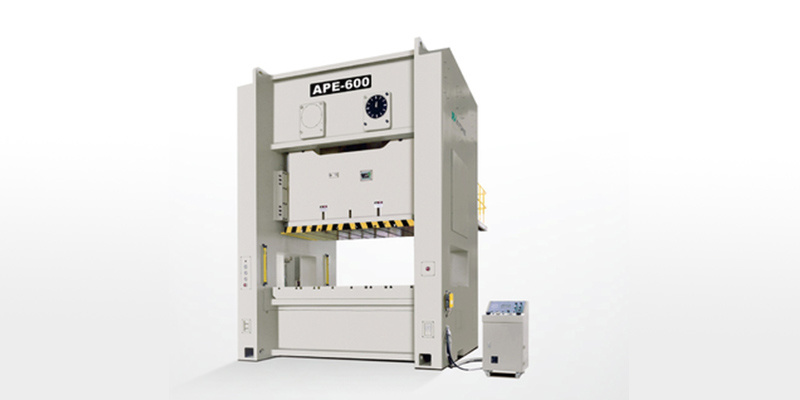
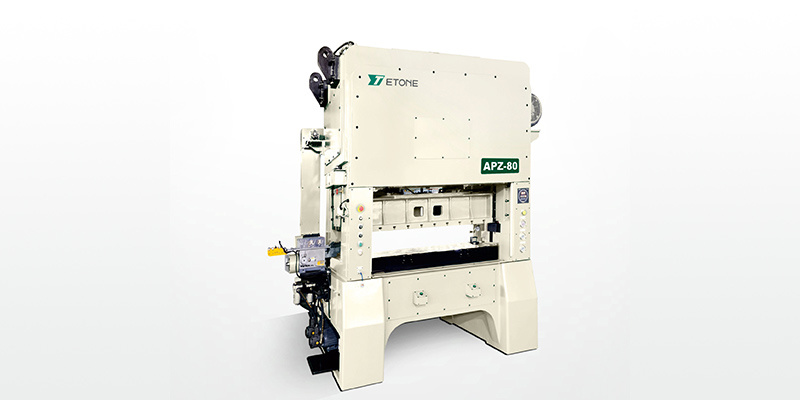
A straight column type punch is a specialized tool used in **metal processing machinery** to create holes or shapes in various materials. Its design features a vertical column structure that provides stability and robustness during operation. Typically constructed from high-grade steel or other durable materials, these punches are engineered to withstand the rigors of industrial use.
2.1 Key Components
The fundamental components of a straight column type punch include:
- **Punching Head**: The part that delivers the force to create holes.
- **Column**: This vertical structure supports the punching head and aligns it with the workpiece.
- **Base**: Provides stability and is often bolted to a workbench or machine.
- **Drive Mechanism**: Converts the motion from the machine into the punching action.
3. Principles of Operation
The operation of a straight column type punch involves the conversion of mechanical energy into kinetic energy, which is then used to drive the punch through the material.
3.1 Force Generation
The force generated is influenced by several factors, including:
- The material properties of the workpiece.
- The thickness and type of the material being punched.
- The speed and power settings of the machine.
3.2 Punching Process
During the punching process, the machine lowers the punch onto the workpiece, creating a hole or feature. The precision of this process is crucial, as even slight deviations can lead to significant issues in subsequent stages of manufacturing.
4. Advantages of Straight Column Type Punches
Straight column type punches offer numerous advantages that make them a preferred choice in various industrial applications.
4.1 Enhanced Precision
These punches are renowned for their ability to deliver precise cuts, ensuring consistent quality in production runs.
4.2 Increased Durability
Constructed from robust materials, straight column punches are designed to withstand the demands of heavy-duty operations, leading to extended tool life.
4.3 Versatility
With the capability to work with various materials, including metals and composites, these punches can be adapted for numerous applications, making them a versatile addition to any manufacturing setup.
5. Applications in Metal Processing
The versatility of straight column type punches allows them to be employed in a wide array of metal processing tasks.
5.1 Automotive Industry
In the automotive sector, these punches are utilized for creating precise holes in body panels and engine components, enhancing assembly efficiency.
5.2 Aerospace Manufacturing
In aerospace, the high precision requirements make straight column punches indispensable for fabricating parts with strict tolerances.
5.3 Electronics Production
In electronics, these punches create intricate designs on circuit boards and housings, contributing to the functionality and reliability of devices.
6. Maintenance and Care for Optimal Performance
To ensure the longevity and efficiency of straight column type punches, regular maintenance is essential.
6.1 Regular Inspection
Routine checks for wear and tear, alignment, and lubrication can prevent potential issues before they escalate.
6.2 Cleaning Procedures
Keeping the punch and its components clean from debris and metal shavings helps maintain optimal performance and prevents damage.
6.3 Lubrication
Applying the right type of lubricant at appropriate intervals reduces friction and wear, enhancing the tool's operational life.
7. Common Issues and Troubleshooting
Despite their durability, straight column type punches may encounter issues over time. Understanding these challenges can aid in effective troubleshooting.
7.1 Misalignment
If the punch is misaligned, it can lead to inaccuracies. Regular checks and adjustments can help maintain proper alignment.
7.2 Dull Punch Edges
Dull edges can result in poor cutting performance. Sharpening or replacing the punch head when necessary is crucial.
7.3 Material Jamming
Material jamming can halt operations. Ensuring the correct material size and type, along with proper loading techniques, can mitigate this issue.
8. The Future of Straight Column Type Punches
The ongoing advancements in **manufacturing technology** promise to enhance the capabilities of straight column type punches. Innovations such as automation and smart technologies will likely lead to greater efficiency and precision in operations.
8.1 Integration with Smart Manufacturing
As industries shift towards smart manufacturing, incorporating IoT and AI technologies will enable predictive maintenance, improving uptime and efficiency.
8.2 Sustainable Practices
The future also beckons a shift towards sustainable material usage and production techniques, where straight column type punches will play a critical role in reducing waste.
9. Conclusion
Straight column type punches are vital tools in the realm of metal processing, offering precision, durability, and versatility across various industries. By understanding their operation, advantages, and maintenance needs, manufacturers can maximize their effectiveness and enhance productivity. As technology continues to evolve, the potential for these tools to adapt and improve remains immense, paving the way for innovations that will define the future of **manufacturing**.
10. FAQs
Q1: What materials can be processed using straight column type punches?
A1: Straight column type punches can effectively process a range of materials, including various metals and composites, making them versatile for different applications.
Q2: How often should I maintain my straight column type punch?
A2: Regular maintenance should be conducted at least once a month, with more frequent checks for high-usage scenarios to ensure optimal performance.
Q3: What are the common applications for straight column type punches?
A3: Common applications include automotive manufacturing, aerospace part fabrication, and electronics production.
Q4: How do I know when to replace a straight column type punch?
A4: If you notice significant wear, dull cutting edges, or consistent misalignment, it may be time to replace the punch.
Q5: Can straight column type punches be automated?
A5: Yes, straight column type punches can be integrated with automated systems to enhance efficiency and precision in manufacturing processes.
Latest developments
Service Hotline:
Zhejiang ETONE Precision Machine Co., Ltd.
Address: No.327 South of Tinghai Road, Yinzhou EconomicDevelopment Zone, Yinzhou Distrist, Ningbo, China
Telephone: +86-574-89016676,+86-574-86198845
Fax: +86-574-86198900
E-mail:sales@china-etone.com


WeChat Public Number